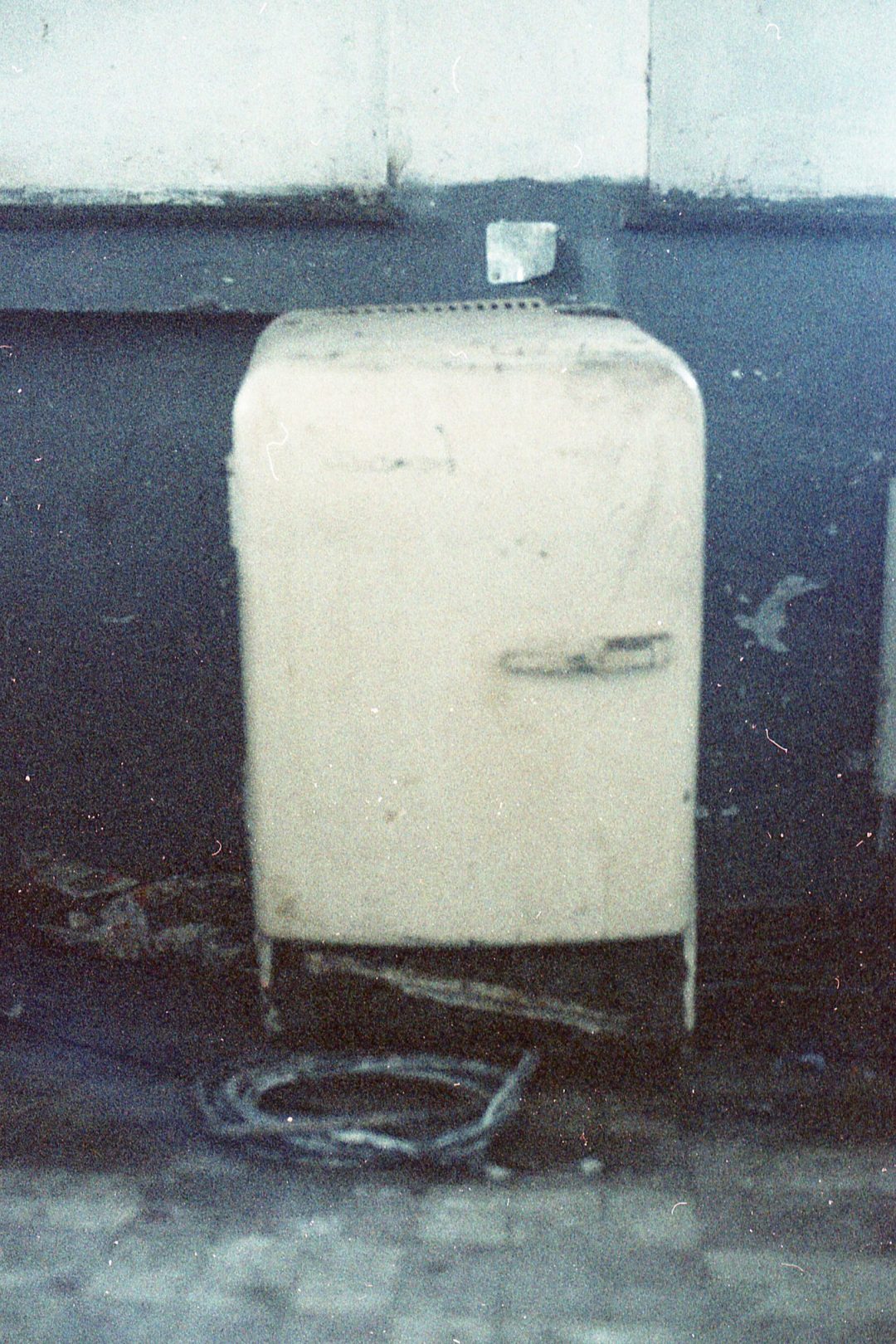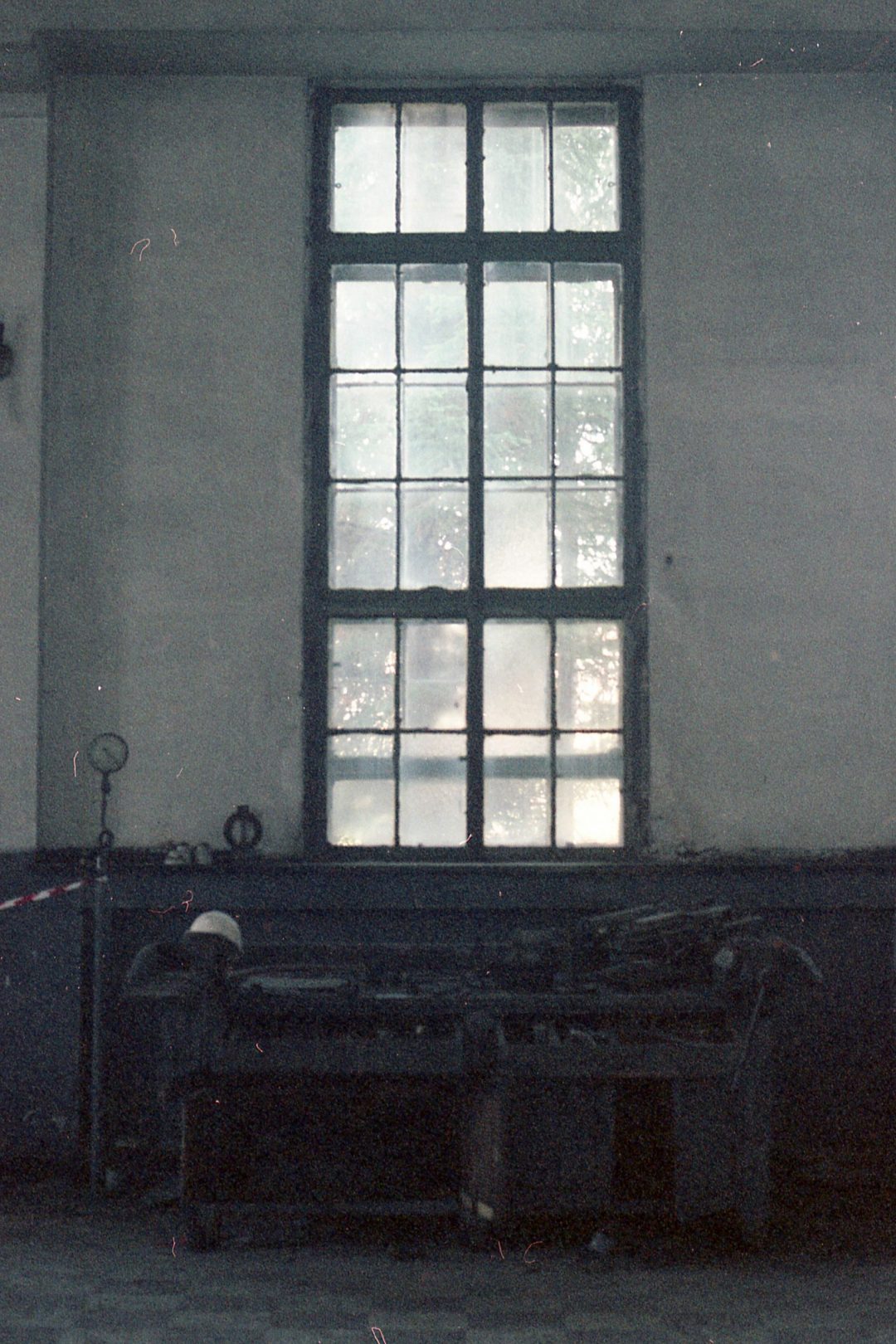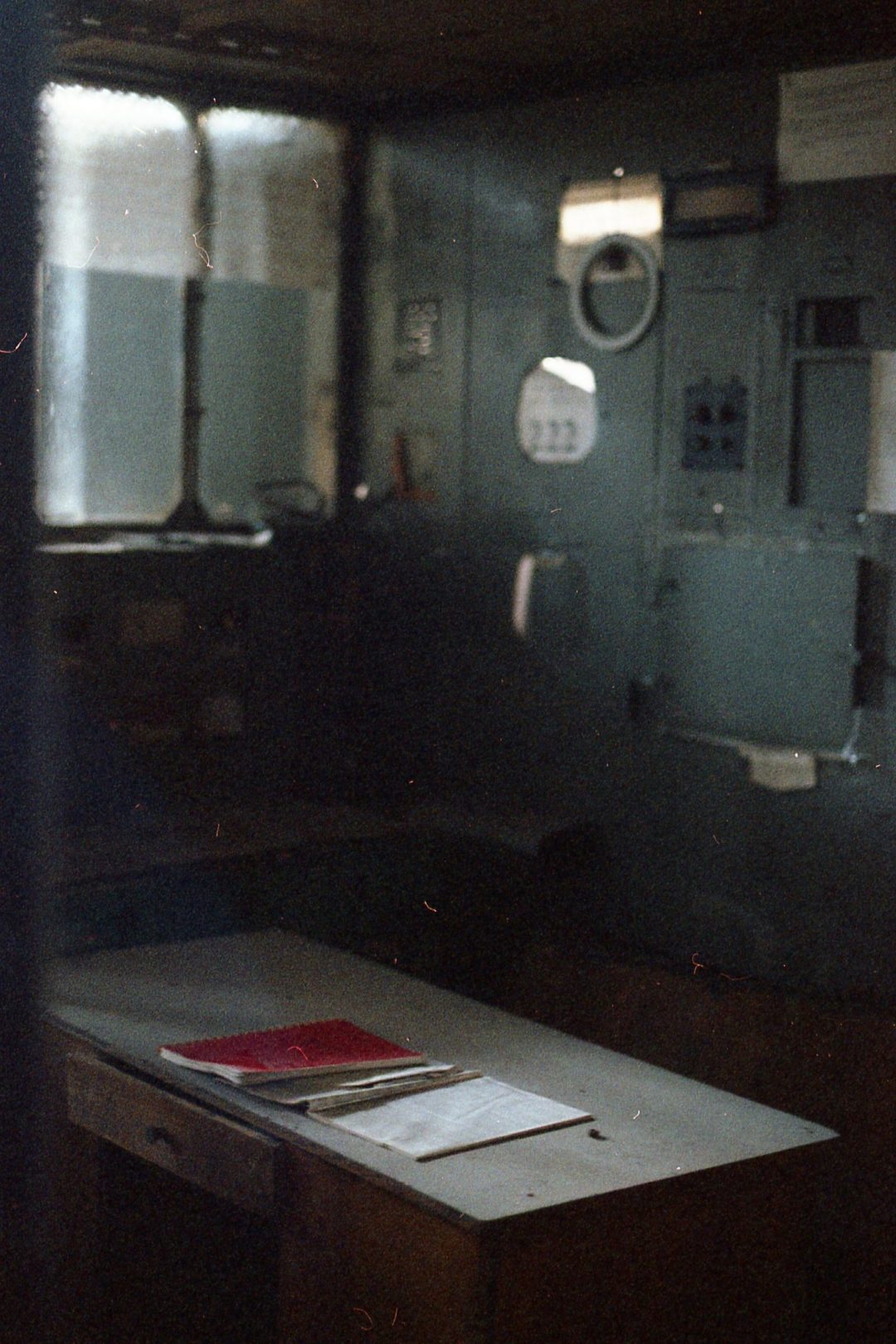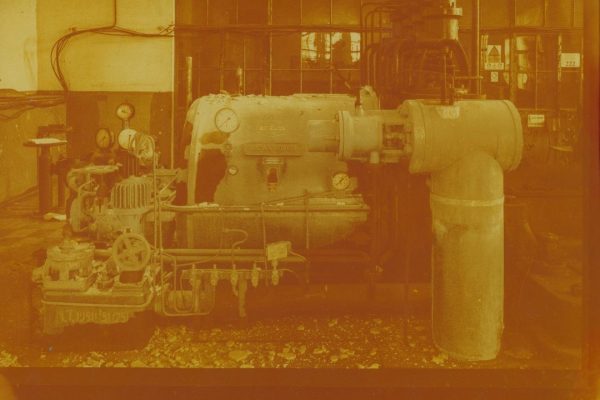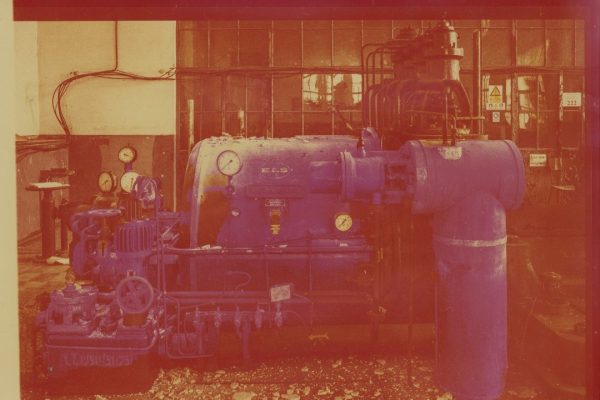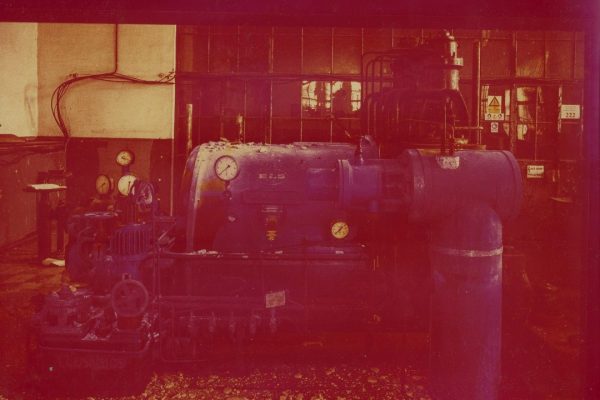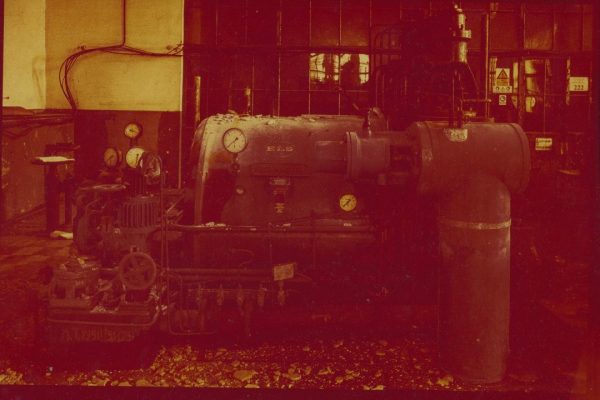
space → photograph → fragment → intervention → new image

DEPOT / MAGAZIA 

Artistic Research, 2022

is an artistic research project investigating the memory of industrial spaces and the transformations they undergo after losing, changing, or outliving their original function.

Starting from photographs made in former industrial sites, warehouses, factories, storage facilities, and infrastructures, the project examines how photography can move beyond documentation and become a material for analysis, fragmentation, and visual reconstruction.

The title refers not only to a physical place of storage but also to a condition of accumulation. A depot preserves objects that have been removed from circulation without entirely disappearing. In a similar way, many industrial structures exist today between function and abandonment, retaining traces of labour, production, time, and social transformation. Photography becomes another form of depot: a space in which architectural fragments, material traces, and different temporal layers are collected and reactivated.

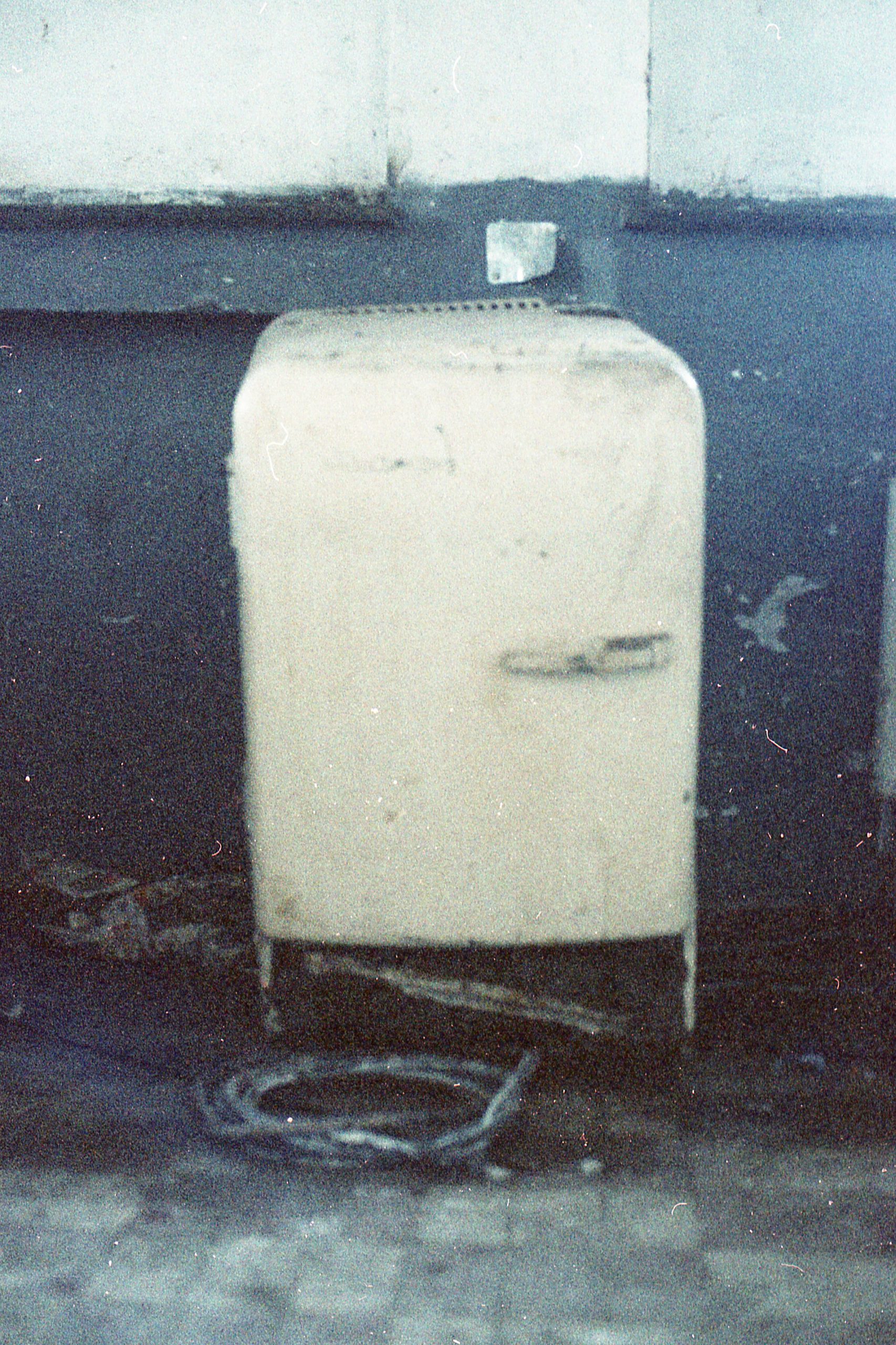
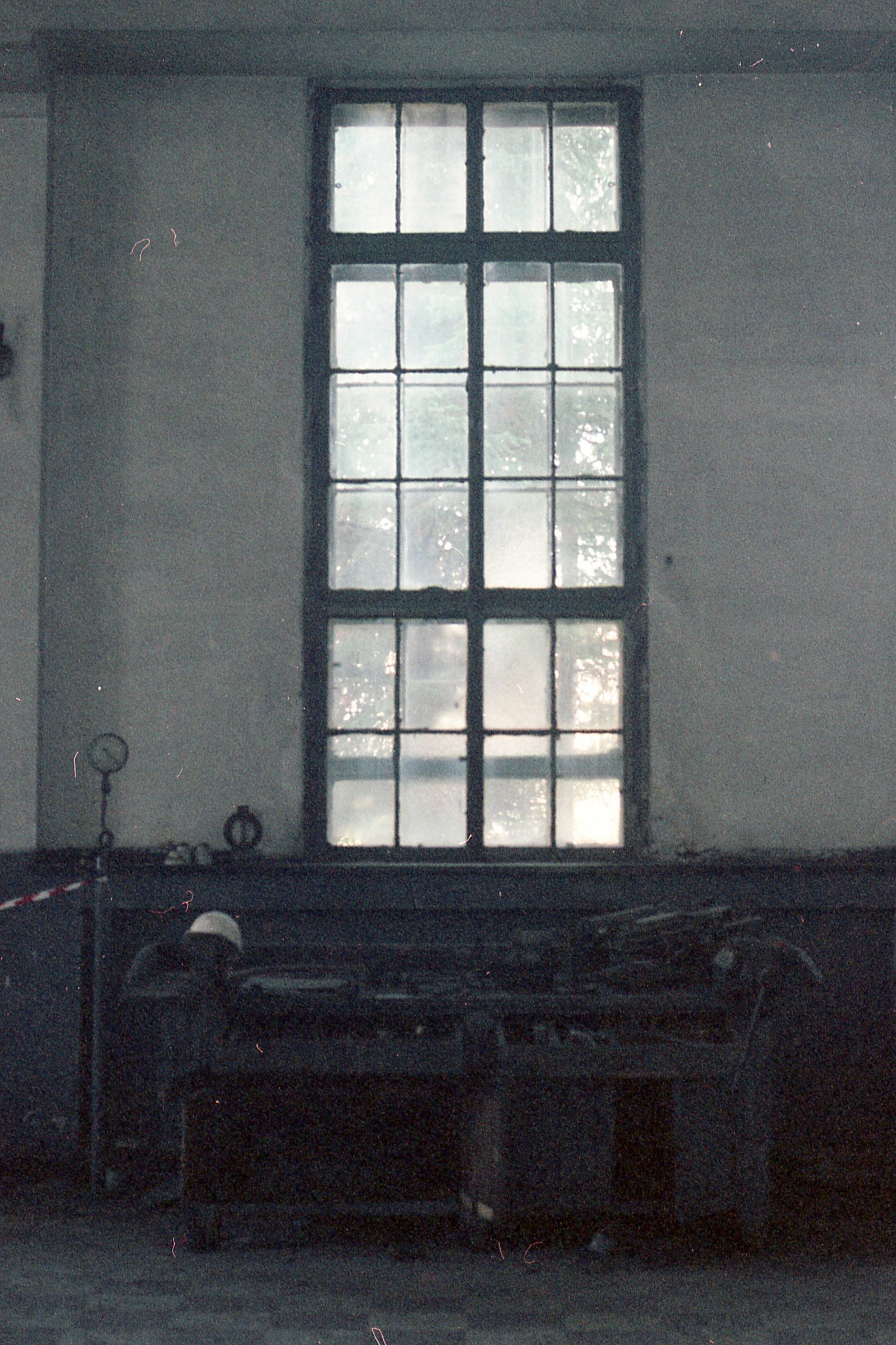
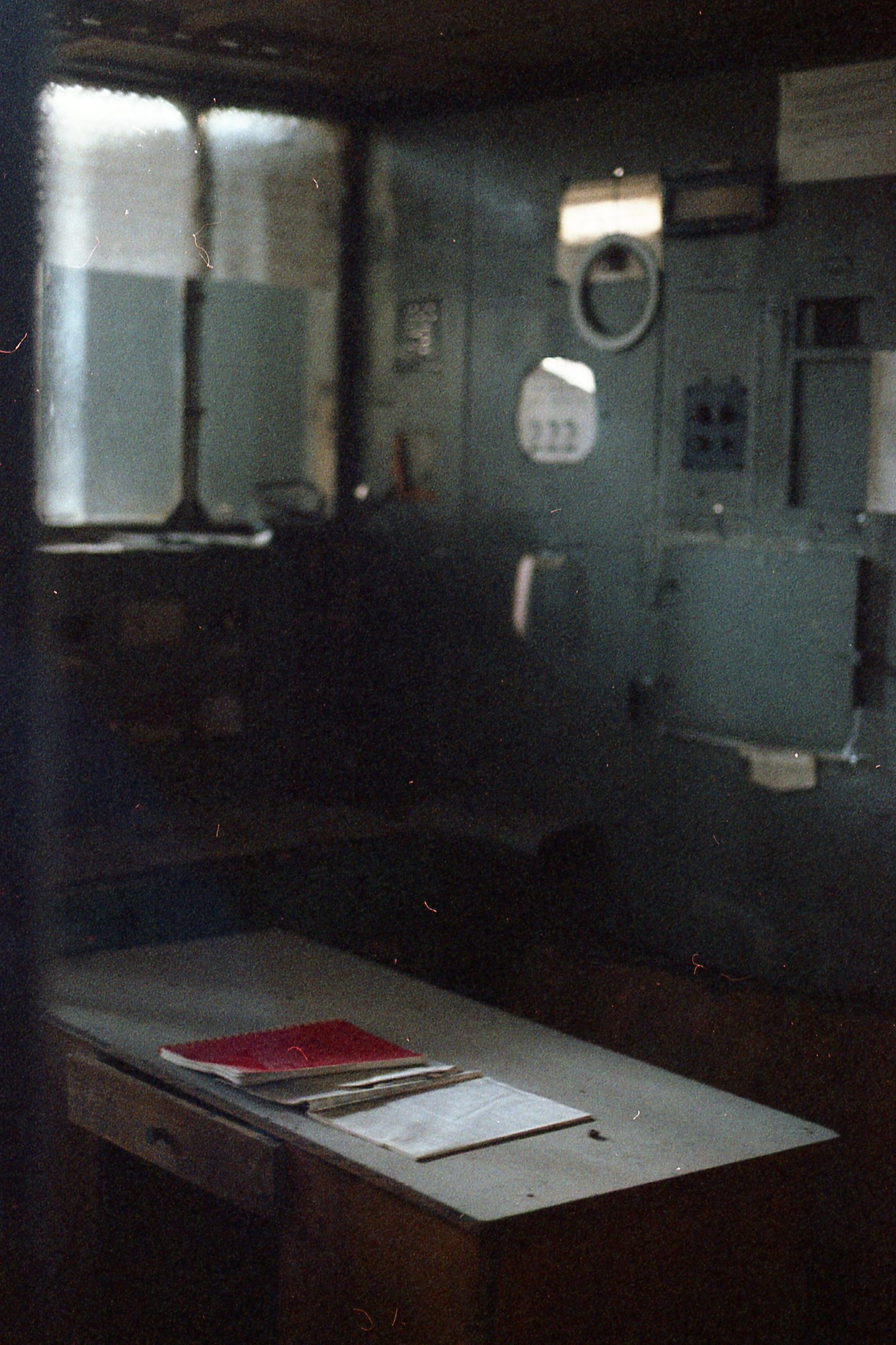
Direct photographs of facades, staircases, concrete structures, industrial interiors, construction sites, and buildings in states of decay or demolition serve as points of departure. Rather than producing a systematic architectural record, these images function as visual evidence—partial traces from which new relationships can emerge.

Through fragmentation, layering, drawing, and intervention, photography is detached from its descriptive role and transformed into an active field of construction. Architectural elements are extracted, reorganized, and reassembled, allowing the image to develop an autonomy beyond the place from which it originated. Drawing and photographic intervention are not secondary additions but integral stages of the research process.

The project follows a continuous movement:

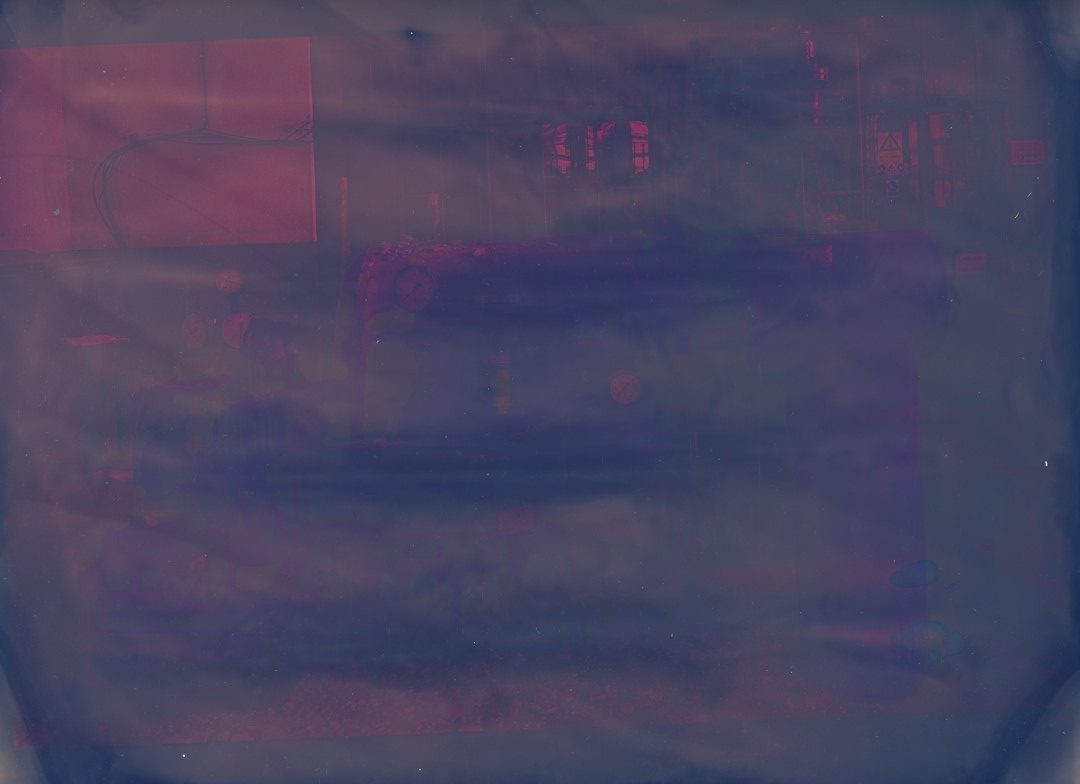
space → photograph → fragment → intervention → new image
DEPOT / MAGAZIA does not attempt to preserve industrial architecture as a fixed image of the past. Instead, it explores transformation: what remains, what disappears, and what can be reconstructed through visual processes. Memory is understood not as a stable archive but as an evolving condition shaped by material, place, time, and artistic intervention.

Ultimately, the project investigates how industrial spaces continue to exist through images—and how photography can transform architectural traces into new visual territories.

Mechanical Memory

Photographed at the Dimitrie Leonida National Technical Museum, this machine is remembered not only through its technical function, but through its physical presence: scale, weight, volume, surface, and traces of use. Its wheels, springs, and mechanisms become material forms through which the body encounters industrial memory. The photograph preserves this relationship between vision and matter, transforming the object into an active fragment of the past.

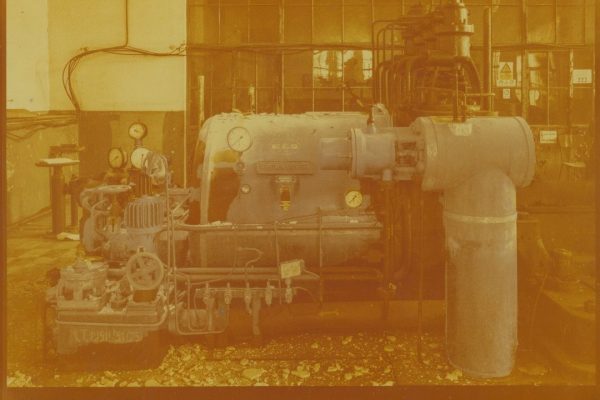
Machine Memory

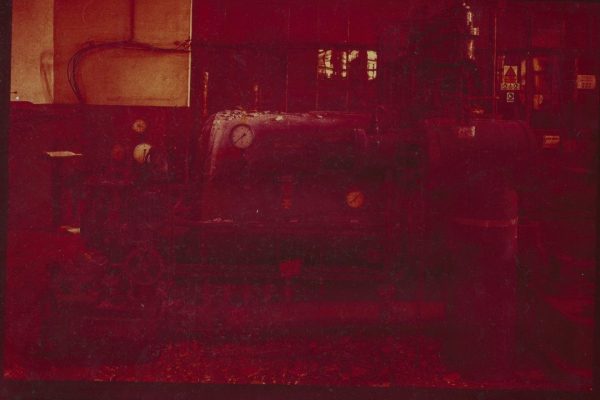
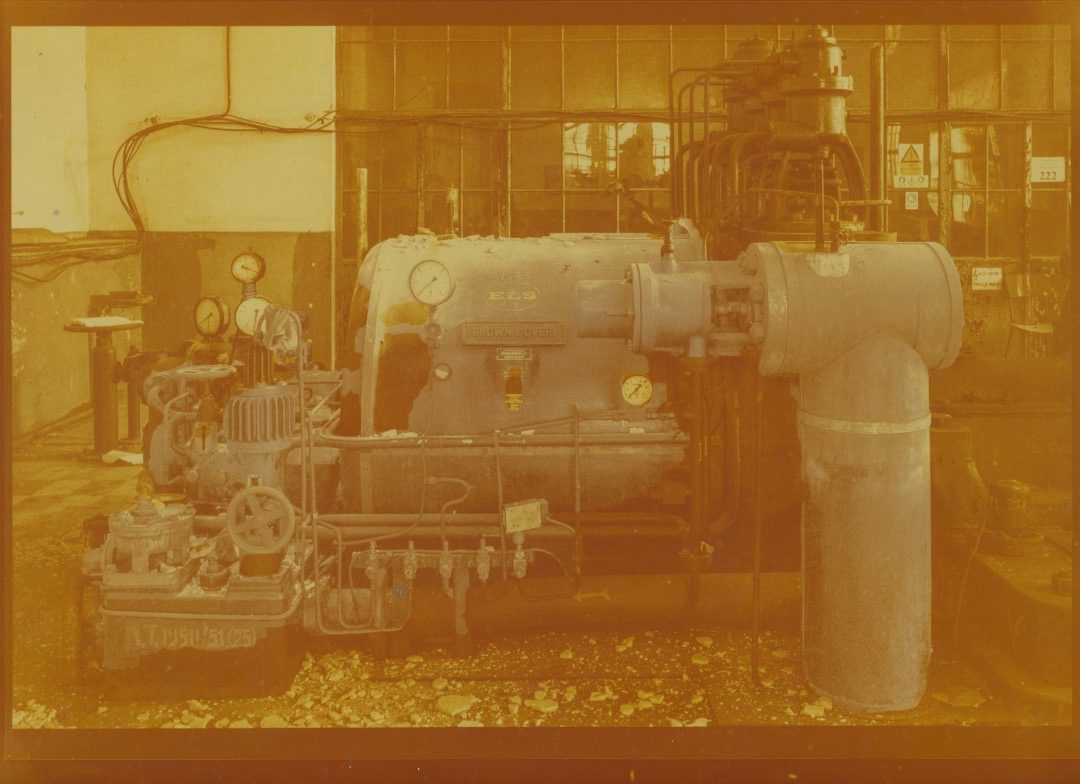
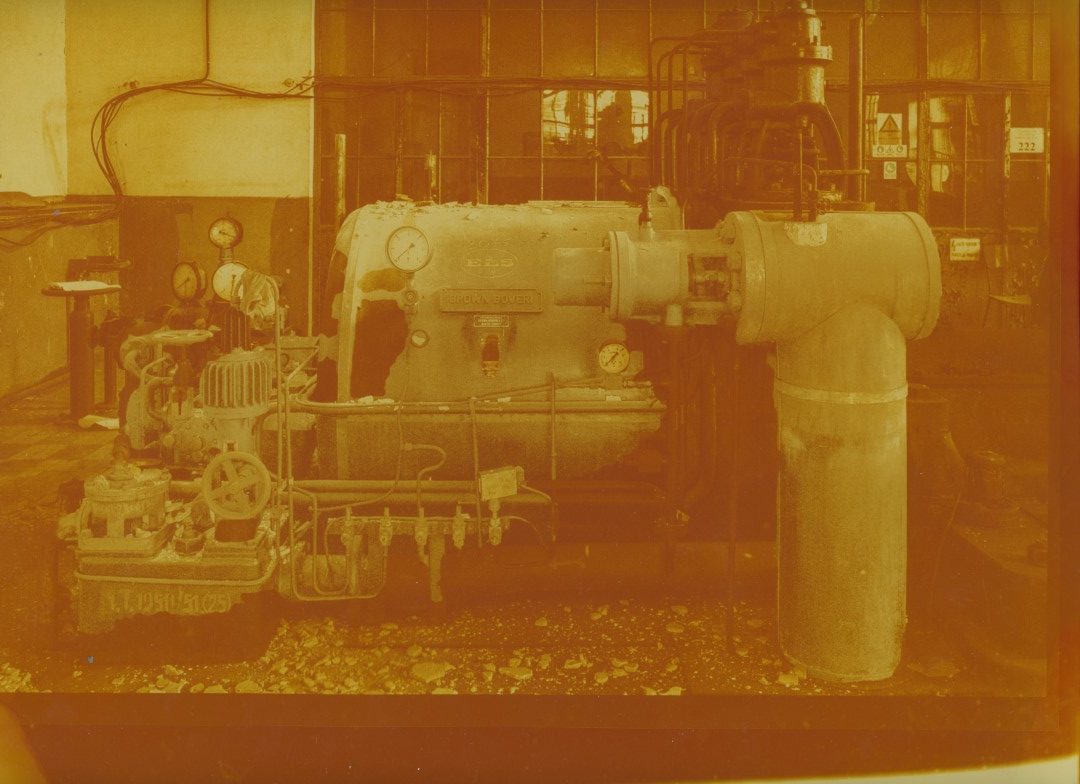
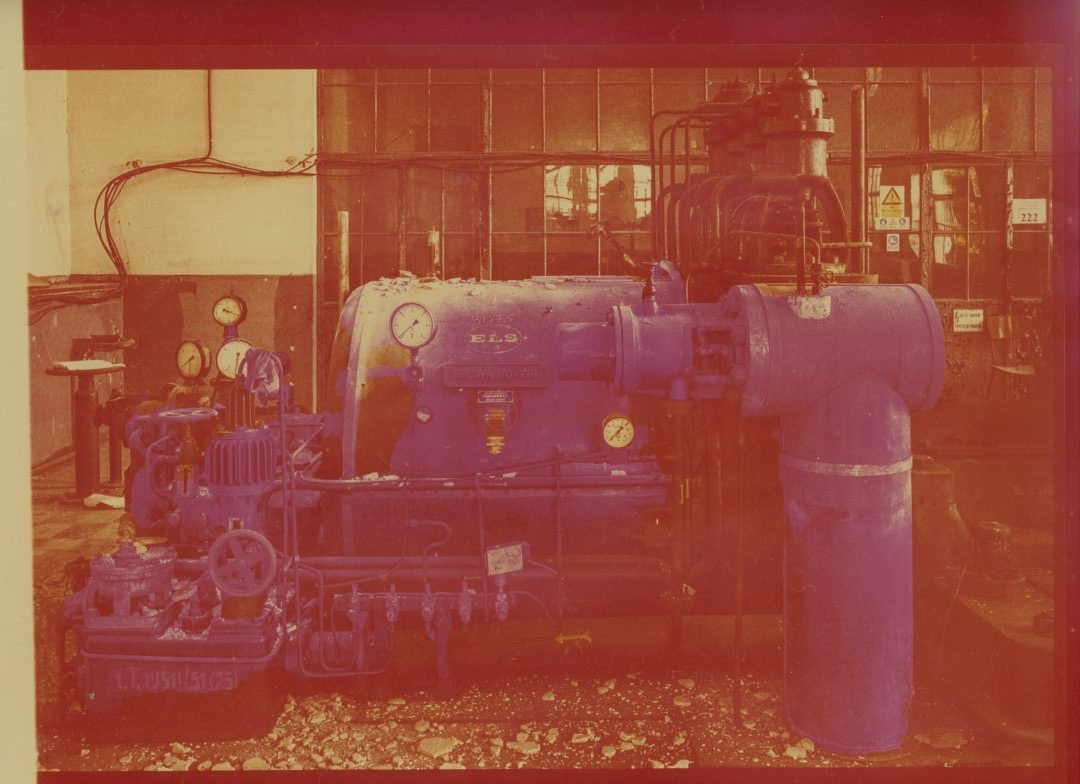
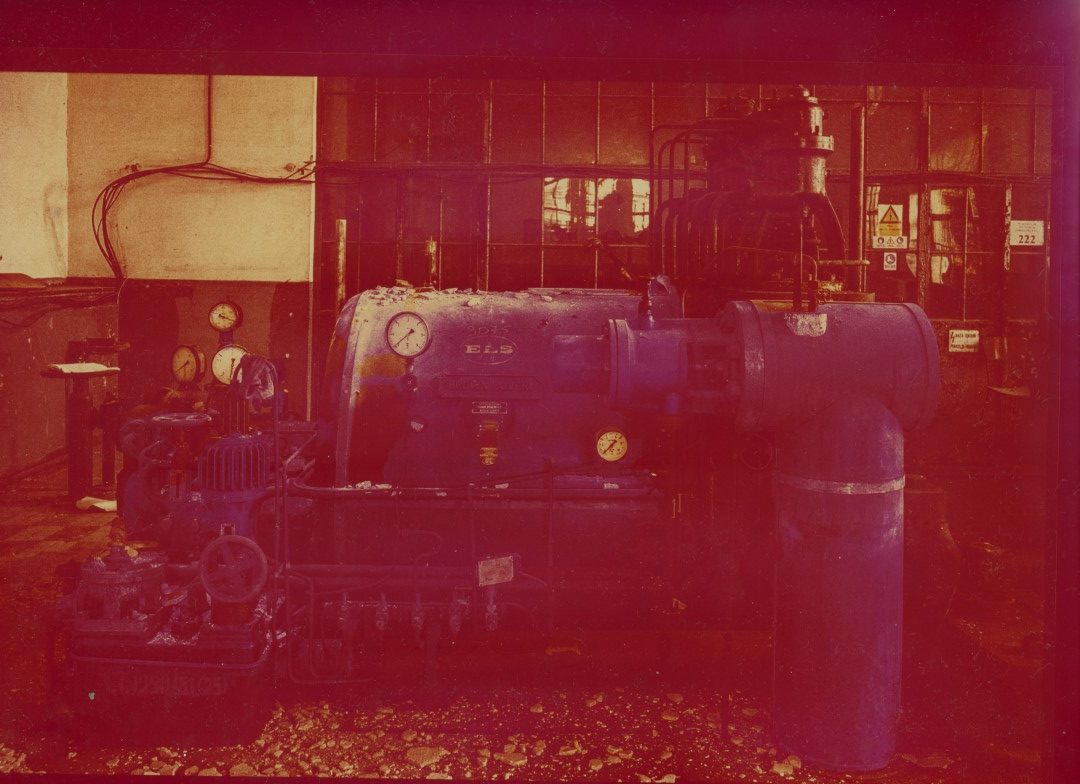
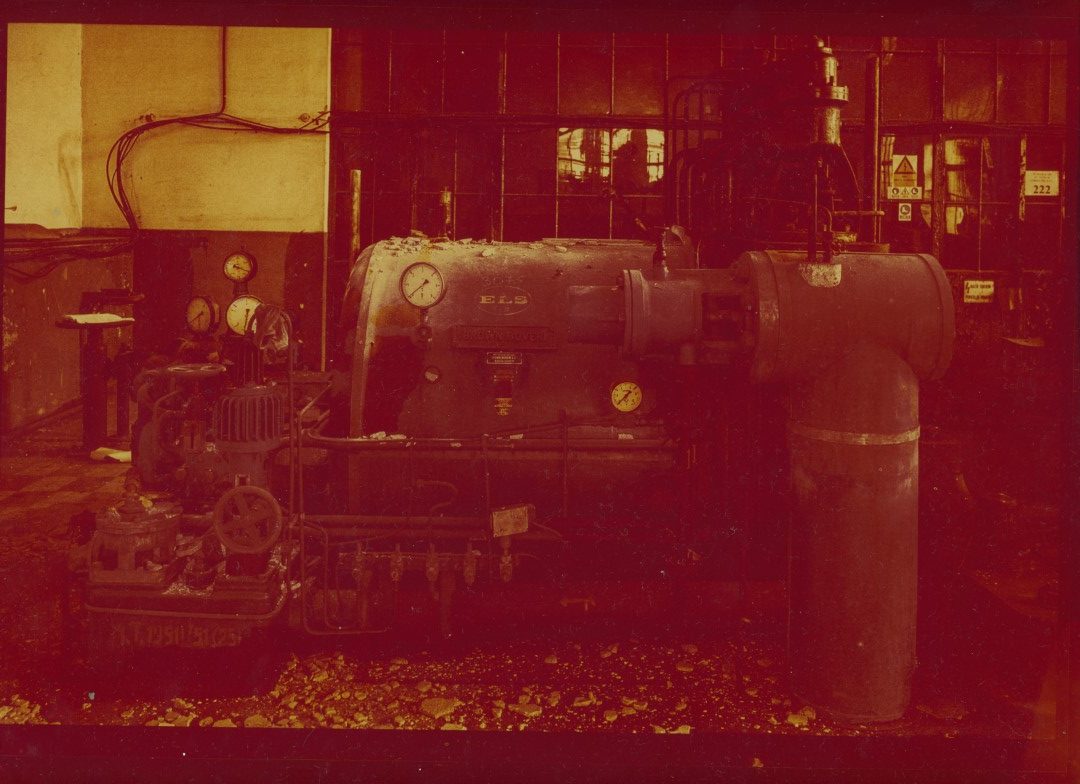
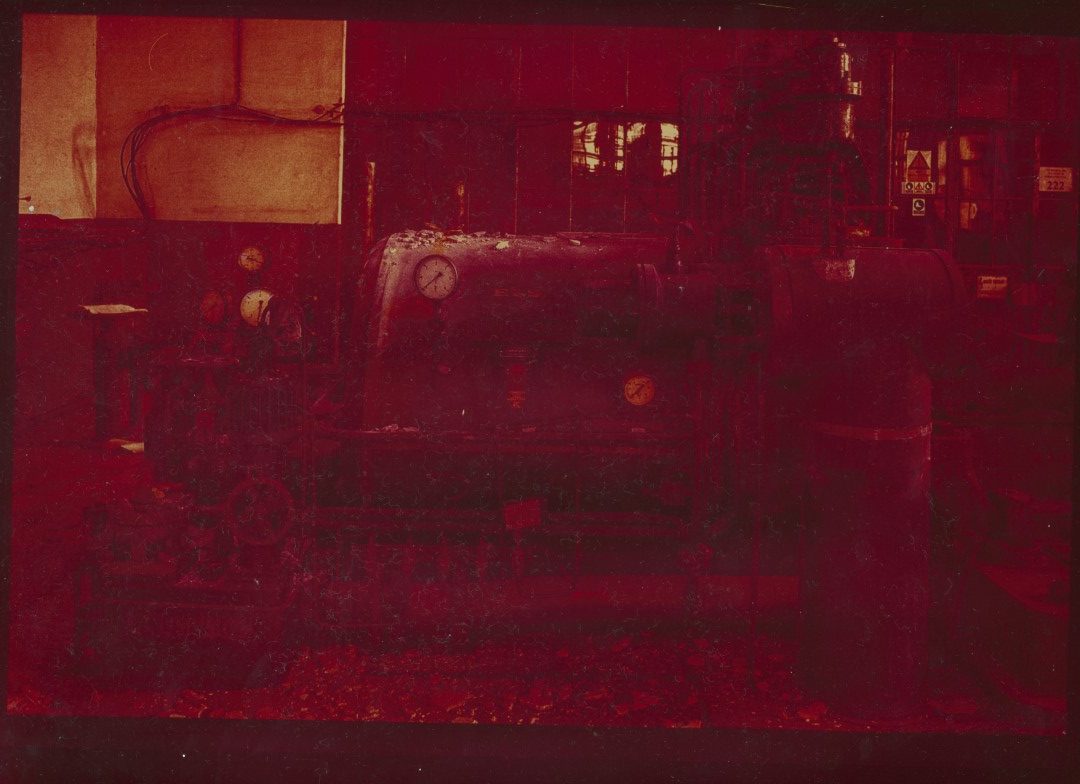
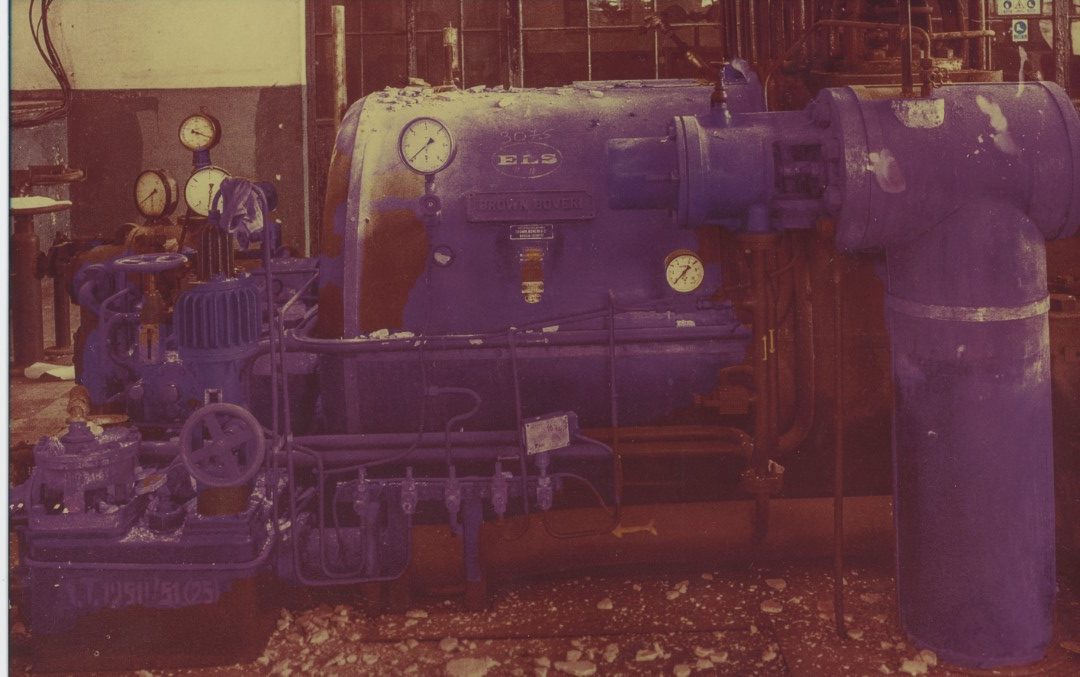
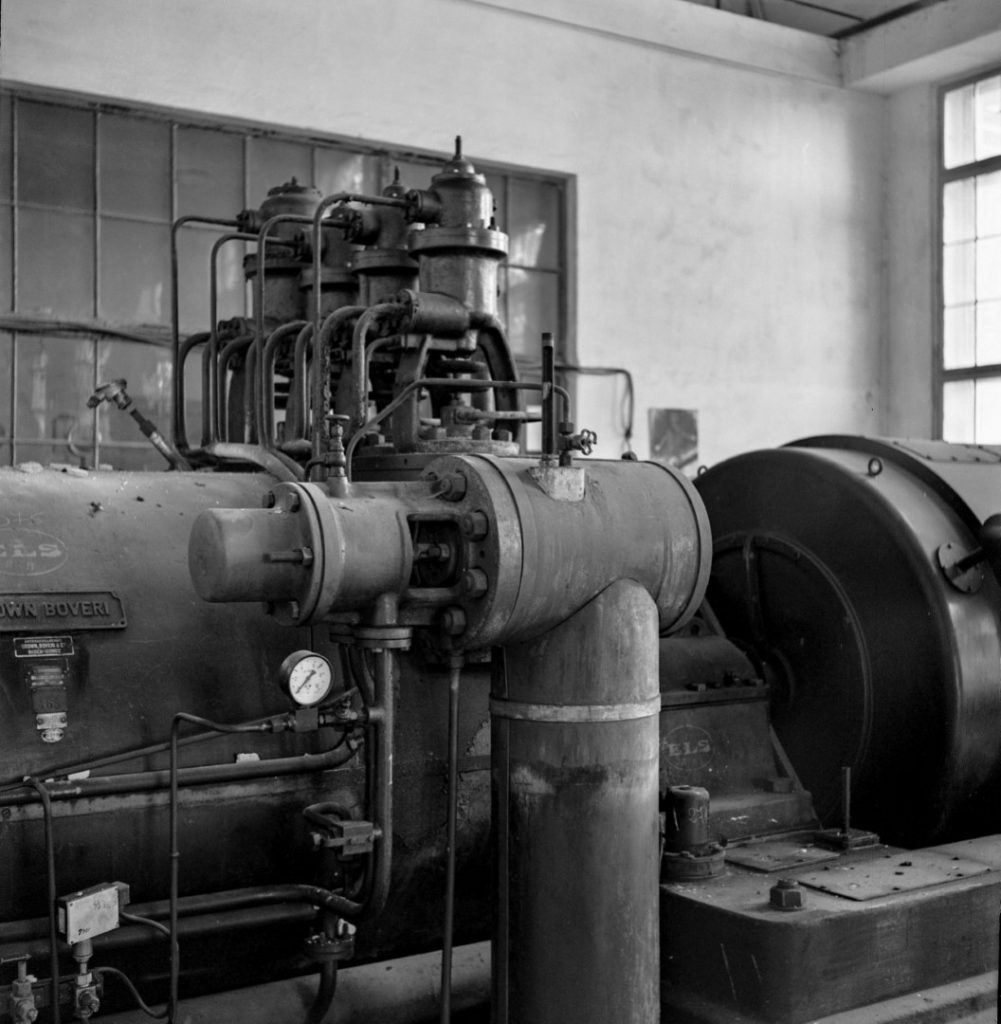
This photograph records an industrial interior as a layered archive of labour, technology, and accumulated time. The machinery remains present beyond its original function, while the photographic surface preserves traces of use, material transformation, and the gradual transition from production to memory.

Leave a Reply